
The Realities of iGaming: From Slots to Poker Tables
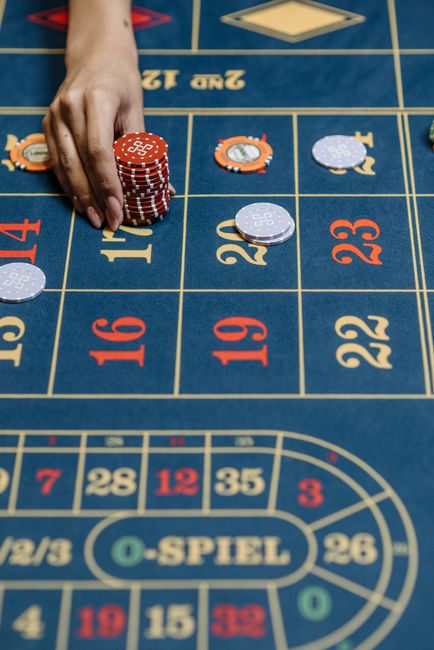
You sit down at a glowing screen, credit card in hand, and wonder: is this really entertainment, or just a cleverly disguised money pit? For millions, iGaming is a thrilling escape, a test of skill, and sometimes a lucrative side hustle. But beyond the flashy graphics and seductive bonuses lies a complex world that rewards knowledge and punishes ignorance. Let’s cut through the hype and talk about what actually matters when you play slots, bet on sports, or grind the poker tables.
Slots: More Than Just Pulling a Lever
Slots are the casino’s bread and butter, and for good reason: they’re simple, fast, and can pay huge. But not all slots are created equal. The key number you need to know is RTP—Return to Player. A slot with 96% RTP pays back 96 cents for every dollar wagered over millions of spins. That 4% house edge might sound small, but it adds up. Compare that to a slot with 92% RTP, and you’re bleeding money twice as fast.
Volatility matters just as much. High-volatility slots like Book of Dead or Bonanza can go hundreds of spins without a win, then smash you with a 5,000x multiplier. Low-volatility games like Starburst pay small but often. Your bankroll and patience determine which is right for you. And please, forget “due for a win” theories—each spin is independent. The machine doesn’t know you exist.
- Check the RTP before you play. Anything below 95% is stingy.
- Understand volatility: high for jackpot dreams, low for steady fun.
- Set a loss limit and stick to it. Slots are entertainment, not income.
Sports Betting: Where Knowledge Meets Luck
Betting on sports feels smarter than slots because you can study form, injuries, and weather. But the bookmaker always has an edge—typically 5-10% built into the odds. That’s the vig (vigorish). If you bet $100 on a coin flip at -110 odds, you’d win $90.91 but lose $100. That gap is how sportsbooks stay in business.
Successful bettors focus on value, not just winners. If you think a team has a 50% chance to win but the odds imply only 40%, that’s a value bet. Over time, it pays. Line shopping—comparing odds across multiple books—can add 2-3% to your ROI, which is massive. Also, avoid parlay sucker bets unless you’re chasing a lottery-style payout. Correlated parlays (like betting a team to win and the over) are usually traps.
Bankroll management is non-negotiable. A common rule: bet 1-2% of your total bankroll per wager. That way, a 10-game losing streak won’t wipe you out. And never chase losses by doubling down—that’s how legends are born, but mostly how bank accounts die. You can read more about it on สล็อต.
Poker: The Only Game Where You Play the Players
Poker is not gambling in the traditional sense; it’s a skill game with variance. The best players win over thousands of hands, but any single session can go sideways. The key is understanding pot odds, position, and opponent tendencies.
Position is power. Acting last gives you information. On the button, you can play a wider range of hands because you see what everyone does first. In early position, tighten up—fold marginal hands like weak aces or suited connectors. Most beginners play too many hands, bleed chips, and blame bad luck.
Bankroll rules are stricter here. If you play $1/$2 no-limit, you need at least $2,000 dedicated to poker—100 big blinds is a minimum, but 20 buy-ins ( $4,000) is safer. Move down in stakes if you drop below 20 buy-ins. Online poker is tougher than live, so start at micro-stakes ($0.01/$0.02) and grind your way up. Tools like tracking software (Hold’em Manager, PokerTracker) are legal on most sites and can plug leaks you didn’t know you had.
Bonuses and Promotions: Read the Fine Print
Casinos and sportsbooks lure you with welcome bonuses: “100% up to $500!” Sounds great, right? Then you read the terms: 40x wagering requirement, game contributions vary, max bet $5, and you have 7 days to clear it. That $500 bonus might require $20,000 in bets before you withdraw a dime. And slots contribute 100% while blackjack contributes 10%—so clearing with blackjack is nearly impossible.
Always check:
- Wagering requirement (lower is better; 20x is decent, 50x is brutal).
- Game weighting (slots usually 100%, table games 10-20%).
- Time limit (30 days is standard; 7 days is a trap).
- Max cashout (some bonuses cap your winnings at 10x the bonus).
Free spins are similar—often locked to a specific slot with a max win of $100. If a bonus feels too good to be true, it is. But used wisely, a low-wagering reload bonus can boost your bankroll for a session. Just don’t let the bonus dictate your play; if you wouldn’t make that bet with your own cash, skip it.
The Technology Behind the Games
Modern iGaming runs on Random Number Generators (RNGs), certified by independent labs like eCOGRA or iTech Labs. Every spin, card, or dice roll is random—no patterns, no hot streaks. Live dealer games use real cards and wheels streamed in HD, but the outcomes are still random. Provably fair games (common on crypto casinos) let you verify each result using cryptographic hashes. That’s as transparent as it gets.
But technology also brings risks: lag, disconnections during a big hand, or software glitches. Reputable sites have protocols—if a game crashes mid-hand, you get your stake back. Screenshot everything until the hand is settled. And always use two-factor authentication. Account takeovers happen, especially on unlicensed sites.
Licensing, Safety, and Knowing When to Stop
Only play at casinos licensed by reputable authorities: UKGC (UK), MGA (Malta), Gibraltar, or state regulators in the US (like the NJ Division of Gaming Enforcement). These bodies enforce fair play, audit RTPs, and require responsible gambling tools. Unlicensed sites might offer better bonuses, but good luck getting paid when you win big.
Set deposit limits, session timers, and self-exclusion if needed. The house edge guarantees the casino profits over time—your goal is to have fun within your means. If you’re chasing losses, lying about your play, or feeling anxious, step away. iGaming should be entertainment, not a lifeline. The smartest players are the ones who know when to cash out and walk away.
Ultimately, iGaming is a mixed bag of thrill, strategy, and risk. Slots offer escapism, sports betting rewards knowledge, and poker tests your psychology. Treat every session like a paid night out—spend only what you can afford to lose, and the wins feel sweeter. The games are rigged in the house’s favor, but with discipline, you can still enjoy the ride without crashing.

4 Comments